
Why Poor Air Filtration Is Costing Your Manufacturing Operation More Than You Think
Poor air filtration increases manufacturing costs by reducing productivity, damaging equipment, increasing energy consumption, and creating compliance risks. The most cost-effective solution is source capture filtration, which removes contaminants at their origin before they spread.
What Is a Centralized Exhaust System?
When evaluating operational costs, most manufacturers focus on labor, materials, and machinery. But one of the most overlooked cost drivers is air quality.
Airborne contaminants—such as fumes, ultrafine particles, and VOCs—don’t just disappear. Without proper filtration, they circulate, settle, and interfere with nearly every aspect of your operation.
Learn how Fumex approaches this differently with Source Capture Technology
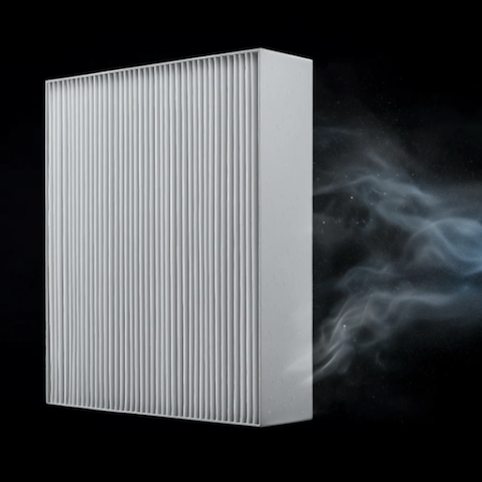
What Happens When Air Filtration Falls Short?
In manufacturing environments, ineffective air filtration allows contaminants to spread far beyond their point of origin.
Direct consequences:
- Product contamination
- Equipment wear and unplanned downtime
- Reduced employee performance
- Increased HVAC demand
- Elevated compliance risks
Ineffective air filtration allows airborne contaminants to spread throughout a facility, leading to higher operational costs, equipment damage, and reduced productivity.
The Real Cost of Poor Air Quality in Manufacturing
- Productivity Loss and Employee Health
Poor air quality impacts worker focus, comfort, and long-term health.
Even low-level exposure can result in:
- Fatigue and reduced concentration
- Increased sick days
- Lower overall output
Cleaner air directly supports a more efficient workforce.
- Equipment Contamination and Downtime
Airborne particles settle into machinery, electronics, and sensitive systems.
This leads to:
- Increased maintenance frequency
- Unexpected failures
- Shortened equipment lifespan
- Energy Inefficiency from Outdated Ventilation
Traditional systems often rely on ambient air filtration, attempting to clean entire spaces rather than addressing the source.
Ambient air filtration is less efficient because it circulates contaminated air, while source capture removes pollutants before they spread—reducing energy consumption and improving performance.
This inefficiency results in:
- Higher energy bills
- Overworked HVAC systems
- Poor airflow control
- Product Quality and Compliance Risks
Airborne contamination can compromise product integrity, especially in precision manufacturing environments.
Risks include:
- Failed inspections
- Product recalls
- Regulatory penalties
See how Fumex supports clean environments with HEPA Filtration Systems
Why Source Capture Is the Most Cost-Effective Solution
Source capture filtration removes contaminants at the point of generation, preventing them from spreading throughout the facility.
Source capture is the most efficient air filtration method because it captures fumes, particles, and VOCs at their source, reducing energy use and preventing contamination.
Key benefits:
- Immediate contaminant removal
- Lower energy costs
- Improved worker safety
- Reduced equipment wear
Discover Fumex solutions designed for efficiency:
- Portable Fume Extractors
- Dust Collectors
How Advanced Filtration Systems Reduce Operational Costs
Modern filtration systems combine multiple technologies to address different types of pollutants.
HEPA Filtration
- Captures ultrafine particles
- Essential for precision environments
Carbon Filtration
- Removes fumes and VOCs
- Improves air at a molecular level
The most effective industrial air filtration systems combine HEPA filtration for particles and carbon filtration for gases and VOCs.
Signs Your Facility May Be Losing Money Due to Poor Air Filtration
Look for these common indicators:
- Frequent equipment issues
- Rising energy costs
- Employee complaints about air quality
- Visible dust or lingering fumes
- Inconsistent product quality
Signs of poor air filtration include rising energy bills, frequent maintenance, visible dust, and declining product quality.
How to Improve Air Filtration Without Major Infrastructure Changes
You don’t need a full facility overhaul to see meaningful improvements.
Start with:
- Identifying high-contaminant processes
- Installing localized source capture systems
- Upgrading to HEPA and carbon filtration
- Optimizing airflow efficiency
Conclusion: Clean Air Is a Competitive Advantage
Air filtration is no longer just about compliance—it’s about performance.
Manufacturers that invest in effective air management benefit from:
- Lower operational costs
- Higher productivity
- Longer equipment lifespan
- Consistent product quality
Fumex helps manufacturers achieve these outcomes through cost-effective, high-performance source capture solutions designed for real-world industrial environments.
Frequently Asked Questions About Air Filtration Costs and Efficiency


